ماذا لو كانت النفس لا تموت إلا في المنام؟
آية في سورة الزمر تعيد بناء مفهوم لحظة الموت… وتكشف لماذا جعل الله المنام آية نعيشها كل يوم

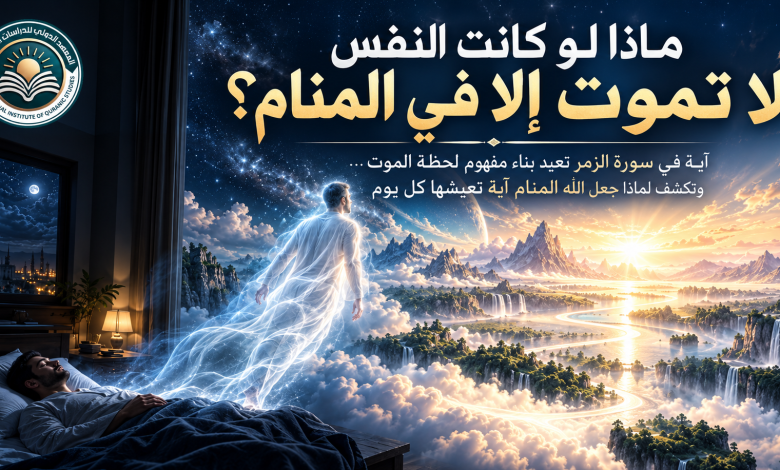
ماذا لو كانت النفس لا تموت إلا في المنام؟
آية في سورة الزمر تعيد بناء مفهوم لحظة الموت… وتكشف لماذا جعل الله المنام آية نعيشها كل يوم
هناك ظاهرة تحدث لكل إنسان كل يوم، ومع ذلك جعلها القرآن آية من آيات الله.
قال تعالى: ﴿وَمِنْ آيَاتِهِ مَنَامُكُم بِاللَّيْلِ وَالنَّهَارِ وَابْتِغَاؤُكُم مِّن فَضْلِهِ إِنَّ فِي ذَٰلِكَ لَآيَاتٍ لِّقَوْمٍ يَسْمَعُونَ﴾ [الروم: 23]
تأمل التعبير جيدًا. لم يقل: «ومن آياته نومكم»، بل قال: ﴿مَنَامُكُم﴾، والأغرب أنه لم يحصر المنام في الليل، بل قال: ﴿بِاللَّيْلِ وَالنَّهَارِ﴾. ثم وضع بجانبه مباشرة:﴿وَابْتِغَاؤُكُم مِّن فَضْلِهِ﴾.
فما الآية التي يريد القرآن أن ننتبه إليها؟ ماذا يحدث لك عندما تدخل المنام؟
أنت قبل المنام موجود في هذا العالم: ترى من حولك، تسمعهم، تتحرك بينهم، تتكلم، تعمل، تتخذ قراراتك وتسعى في حياتك.
ثم تدخل المنام. جسدك ما زال أمام الناس، لكنك لم تعد تشاركهم عالمهم بالطريقة نفسها. قد يناديك أحد فلا تستجيب، وتحدث أشياء حولك لا تعلم بها، بينما في الوقت نفسه قد تكون أنت داخل تجربة أخرى كاملة: ترى أشخاصًا وأماكن وأحداثًا، وتتحرك داخل مشهد لا يرى الموجودون بجوارك منه شيئًا.
وهنا نفهم لماذا قال القرآن: ﴿إِنِّي أَرَىٰ فِي الْمَنَامِ﴾
(الصافات: 102)
وقال: ﴿إِذْ يُرِيكَهُمُ اللَّهُ فِي مَنَامِكَ قَلِيلًا﴾ [الأنفال: 43]
لاحظ التعبير: ﴿فِي الْمَنَامِ﴾.
فالمنام ليس الرؤية نفسها، وإنما المجال الذي تقع داخله الرؤية. وهذا يقودنا إلى تعريف أولي شديد البساطة:
المنام طور ينتقل فيه الإنسان من إدراك العالم الخارجي إلى مجال إدراكي داخلي.
ولهذا كان آية. فالإنسان أمامنا بجسده، ومع ذلك يمكن أن يكون إدراكه قد انتقل إلى مجال لا ندرك نحن ما يجري فيه.
ولماذا قرن المنام بابتغاء الفضل؟
قال تعالى: ﴿مَنَامُكُم بِاللَّيْلِ وَالنَّهَارِ وَابْتِغَاؤُكُم مِّن فَضْلِهِ﴾، وكأننا أمام طورين من حياة الإنسان:
١) طور المنام: انسحاب من الاشتغال بالعالم الخارجي.
٢ ( وطور ابتغاء الفضل: عودة إلى العالم، وحركة، وسعي، وعمل.
وهذان الطوران يتعاقبان باستمرار. يدخل الإنسان المنام، ثم يعود إلى عالمه، ثم يسعى، ثم يدخل المنام مرة أخرى.
إلى هنا يبدو الأمر مألوفًا ، لكن المفاجأة تبدأ عندما نذهب إلى سورة الزمر.
ماذا يفعل الله بالأنفس في المنام؟
قال تعالى:
﴿اللَّهُ يَتَوَفَّى الْأَنْفُسَ [حِينَ مَوْتِهَا وَالَّتِي لَمْ تَمُتْ] فِي مَنَامِهَا فَيُمْسِكُ الَّتِي قَضَىٰ عَلَيْهَا الْمَوْتَ وَيُرْسِلُ الْأُخْرَىٰ إِلَىٰ أَجَلٍ مُّسَمًّى إِنَّ فِي ذَٰلِكَ لَآيَاتٍ لِّقَوْمٍ يَتَفَكَّرُونَ﴾
)الزمر: 42(
اقرأ الآية مرة أخرى، ولكن دون أن تدخل إليها الصورة التي ورثناها مسبقًا عن الموت.
قال: ﴿اللَّهُ يَتَوَفَّى الْأَنْفُسَ﴾.
ثم حدّد الأنفس: [حِينَ مَوْتِهَا وَالَّتِي لَمْ تَمُتْ].
ثم جاء المجال: ﴿فِي مَنَامِهَا﴾.
وهنا تظهر قراءة مختلفة تمامًا للآية: الله يتوفى الأنفس في منامها؛ سواء النفس التي جاء موتها، أو النفس التي لم تمت. أي أننا أمام نوعين من الأنفس داخل المجال نفسه: نفس دخلت المنام وحان موتها ، ونفس دخلت المنام ولم تمت. ثم تأتي النتيجة: ﴿فَيُمْسِكُ الَّتِي قَضَىٰ عَلَيْهَا الْمَوْتَ وَيُرْسِلُ الْأُخْرَىٰ إِلَىٰ أَجَلٍ مُّسَمًّى﴾.
وهنا تنقلب الصورة كلها.
ماذا لو كان الموت لا يقع إلا في المنام؟
إذا كانت ﴿فِي مَنَامِهَا﴾ متعلقة بالأنفس التي يتوفاها الله بقسميها، فالآية لا تقول فقط إن الإنسان يُتوفى أثناء نومه أحيانًا. بل على هذه القراءة تكشف قانونًا:
النفس تدخل طور المنام أولًا، ثم يقع التوفّي، ثم يكون الحسم.
فإن قُضي عليها الموت: ﴿فَيُمْسِكُ﴾ ، وإن لم يُقضَ عليها: ﴿وَيُرْسِلُ الْأُخْرَىٰ﴾. وهذا يعني أن النفس لا تنتقل إلى الموت وهي ما تزال تعمل داخل إدراكها الدنيوي المعتاد، بل تدخل أولًا ذلك الطور الذي عرّفته لنا سورة الروم:
المنام: الطور الذي ينقطع فيه إدراك الإنسان عن العالم الخارجي، بينما يبقى له مجال إدراك آخر.
وهنا قد تظهر واحدة من أعظم صور اللطف الإلهي في الموت: أنت ترى المحتضر… ولكن هل هو يراك؟
نحن عادة نبني تصورنا للموت مما نشاهده نحن : نقف أمام إنسان يحتضر، نرى جسده، نرى تغير تنفسه، نرى سكونه، فنظن أن ما نراه نحن هو نفسه ما يعيشه هو.
لكن القرآن يلفت النظر إلى شيء عجيب، قال تعالى: ﴿فَلَوْلَا إِذَا بَلَغَتِ الْحُلْقُومَ وَأَنتُمْ حِينَئِذٍ تَنظُرُونَ وَنَحْنُ أَقْرَبُ إِلَيْهِ مِنكُمْ وَلَٰكِن لَّا تُبْصِرُونَ﴾
)الواقعة: 83-85(
تأمل: ﴿وَأَنتُمْ حِينَئِذٍ تَنظُرُونَ﴾ ، أنتم تنظرون إليه : الجسد أمامكم ، لكن مباشرة: ﴿وَلَٰكِن لَّا تُبْصِرُونَ﴾. إذن ما ترونه ليس كل ما يحدث. هناك حدث جارٍ أمامكم، لكنكم خارج مجال إدراكه. وهذا بالضبط ما عرفناه عن المنام : حين يكون إنسان في المنام أمامك، أنت تراه، لكنك لا ترى المجال الذي يراه هو.
فماذا لو كانت لحظة الموت تعمل بالطريقة نفسها؟أنت ترى جسده، بينما النفس قد دخلت بالفعل مجالًا آخر.
وماذا عن سكرة الموت؟
قد يُقال هنا: ولكن القرآن يقول: ﴿وَجَاءَتْ سَكْرَةُ الْمَوْتِ بِالْحَقِّ ذَٰلِكَ مَا كُنتَ مِنْهُ تَحِيدُ﴾ [ق: 19]
فهل ﴿سَكْرَةُ الْمَوْتِ﴾ تعارض ما وصلنا إليه؟ لفهم ذلك ينبغي أولًا أن نعرف «السُّكرة» من القرآن نفسه.
قال تعالى: ﴿لَعَمْرُكَ إِنَّهُمْ لَفِي سَكْرَتِهِمْ يَعْمَهُونَ﴾ [الحجر: 72] فالسكرة هنا ليست موتًا، وإنما حالة أصابت الإدراك والتوجيه، ولذلك كانت نتيجتها:
﴿يَعْمَهُونَ﴾ ، وقال تعالى: ﴿إِنَّمَا سُكِّرَتْ أَبْصَارُنَا﴾
[الحجر: 15]. فارتبط التسكير مباشرة بالأبصار والإدراك.ومن هنا يمكن ضبط المعنى: السُّكرة حالة يضطرب فيها الإدراك المعتاد وينقطع الإنسان عن التعامل مع الواقع بالطريقة التي كان يدركه بها قبلها.
وعليه فإن: ﴿سَكْرَةُ الْمَوْتِ﴾ ليست الموت نفسه، وليست اسمًا لعملية «نزع النفس»، وإنما الحالة الإدراكية المصاحبة لمجيء الموت؛ حيث يبدأ انقطاع الإنسان عن مجال الإدراك الدنيوي الذي كان يعمل فيه.
وهذا لا يعارض المنام، بل ينسجم معه. فالمنام هو الطور الذي ينتقل فيه الإنسان من إدراك العالم الخارجي إلى مجال إدراكي آخر، وسكرة الموت تصف اضطراب وانقطاع الإدراك السابق عند مجيء الموت.
والأجمل أن سورة ق نفسها تكشف ما بعد السكرة.
قالت أولًا: ﴿وَجَاءَتْ سَكْرَةُ الْمَوْتِ بِالْحَقِّ﴾. ثم قال تعالى:﴿لَقَدْ كُنتَ فِي غَفْلَةٍ مِّنْ هَٰذَا فَكَشَفْنَا عَنكَ غِطَاءَكَ فَبَصَرُكَ الْيَوْمَ حَدِيدٌ﴾ [ق: 22] إذن السكرة ليست نهاية الإدراك ، بل الذي ينتهي هو نمط الإدراك الدنيوي السابق، ثم ينكشف مجال آخر: ﴿فَكَشَفْنَا عَنكَ غِطَاءَكَ﴾.
وتكون النتيجة، لا انطفاء البصر، بل: ﴿فَبَصَرُكَ الْيَوْمَ حَدِيدٌ﴾ ، وكأننا أمام انتقال: سكرة وانقطاع عن الإدراك السابق، ثم كشف للغطاء، ثم إدراك لم يكن متاحًا من قبل.
وهنا تظهر مفارقة شديدة الدلالة. من جهتنا نحن: ﴿وَلَٰكِن لَّا تُبْصِرُونَ﴾ ، ومن جهة الإنسان الذي انتقل إلى ذلك المجال: ﴿فَبَصَرُكَ الْيَوْمَ حَدِيدٌ﴾. نحن لا نبصر ما يجري له، بينما ينكشف له ما كان محجوبًا عنه.
إذن الموت في هذه الصورة ليس انتقالًا من الوعي إلى العدم، بل انتقال من إدراك محجوب إلى إدراك مكشوف. وهذا يفسر لماذا لا ينبغي أن نتصور ما يحدث للنفس من خلال ما نشاهده نحن على الجسد. فنحن ما زلنا في هذا العالم، أما النفس فقد انتقل مجال إدراكها.
وهذا ينسجم تمامًا مع الصورة التي بدأت تتشكل أمامنا: النفس لا تبلغ الموت وهي مستمرة في إدراك العالم الخارجي بالطريقة نفسها، بل ينقطع ذلك المجال، وتنتقل إلى طور آخر يقع فيه التوفّي، ثم يكون الإمساك أو الإرسال.
وماذا عن الملائكة عند التوفّي؟
قال تعالى: ﴿الَّذِينَ تَتَوَفَّاهُمُ الْمَلَائِكَةُ طَيِّبِينَ يَقُولُونَ سَلَامٌ عَلَيْكُمُ﴾ [النحل: 32]
السؤال البسيط: من يسمع: ﴿سَلَامٌ عَلَيْكُمُ﴾؟ الموجودون حول المحتضر لا يسمعون هذا الخطاب. إذن القرآن نفسه يخبرنا عن تجربة إدراكية للمتوفَّى لا يشارك فيها الواقفون حوله.
وهذا يتوافق تمامًا مع المنام : فأنت في المنام قد تسمع وترى وتعيش أحداثًا كاملة، بينما الجالس إلى جوارك لا يسمع ولا يرى منها شيئًا. فإذا كان التوفّي يقع في المنام، تزول الغرابة. لقد انتقلت النفس أصلًا من مجال الإدراك المشترك مع الناس إلى مجال آخر.
وماذا يعني: ﴿يَضْرِبُونَ وُجُوهَهُمْ وَأَدْبَارَهُمْ﴾؟
قال تعالى: ﴿وَلَوْ تَرَىٰ إِذْ يَتَوَفَّى الَّذِينَ كَفَرُوا الْمَلَائِكَةُ يَضْرِبُونَ وُجُوهَهُمْ وَأَدْبَارَهُمْ وَذُوقُوا عَذَابَ الْحَرِيقِ﴾
)الأنفال: 50(
قد تتشكل في الذهن مباشرة صورة مشهد مادي، لكن هل هذا هو معنى ﴿يَضْرِبُونَ﴾ في الآية؟ الضرب في القرآن لا ينحصر في صورة واحدة، بل يدل على إيقاع فعل مؤثر يغيّر حالة الشيء أو مساره أو موضعه.
فالله: ﴿يَضْرِبُ مَثَلًا﴾ فيحدث بالمثل أثرًا يغيّر زاوية فهم القضية ، والإنسان: ﴿يَضْرِبُ فِي الْأَرْضِ﴾ فيخرج من موضع إلى موضع ويتغير مساره، وقال عن أصحاب الكهف: ﴿فَضَرَبْنَا عَلَىٰ آذَانِهِمْ﴾ فوقع عليهم أثر غيّر حالة اتصالهم بما حولهم ، وقال: ﴿فَضُرِبَ بَيْنَهُم بِسُورٍ﴾ فأُحدث بينهم فصل غيّر وضع الفريقين بعضهما عن بعض.
إذن لا نسأل أولًا: بماذا تضربهم الملائكة؟ بل نسأل: ما التغيير الذي يحدثه هذا الضرب عند التوفّي؟
وهنا تأتي الكلمتان اللتان تحددان المعنى: ﴿وُجُوهَهُمْ وَأَدْبَارَهُمْ﴾. فالوجه في القرآن لا يعني مقدمة الإنسان، بل يدل على جهة التوجّه والإقبال.
قال تعالى: ﴿أَسْلَمْتُ وَجْهِيَ لِلَّهِ﴾. فالمعنى يتعلق بوجهة الإنسان وتوجهه وكيانه المقبل لله. وقال: ﴿فَوَلِّ وَجْهَكَ شَطْرَ الْمَسْجِدِ الْحَرَامِ﴾. فالوجه مرتبط بالجهة التي يتجه إليها الإنسان ويقبل عليها. أما الدبر فهو الجهة المقابلة: ما يقع خلف الإنسان وما يولّيه وراءه، ومنه: ﴿وَلَّوُا الْأَدْبَارَ﴾.
فإذا جمع القرآن في لحظة التوفّي: ﴿وُجُوهَهُمْ وَأَدْبَارَهُمْ﴾
فهو يجمع جهتي الكيان: ما كان متوجهًا إليه، وما أصبح وراءه. وهنا نفهم الضرب.
عند التوفّي يقع عليهم فعل حاسم يغيّر موقعهم ويفصلهم عن المسار الذي كانوا فيه؛ فيطال جهة إقبالهم وما وراءهم معًا. فتنقطع علاقتهم بالمنظومة الدنيوية التي كانوا يتحركون داخلها: ما كان أمامهم من سعي ومشروعات ورغبات وأهداف لم يعد مجالًا مفتوحًا لهم، وما وراءهم من دنيا وأعمال وعلاقات أصبح خلفهم لا يستطيعون الرجوع إليه.
ولهذا يصبح الضرب هنا فعل فصل وتغيير حاسم للحالة والمسار. وهذا قريب من وظيفة الضرب في: ﴿فَضُرِبَ بَيْنَهُم بِسُورٍ﴾ ، فالضرب هناك أحدث فصلًا بين مجالين.
وعند التوفّي يحدث الفصل الأكبر: فصل النفس عن مجالها الدنيوي السابق، من جهة ما كانت مقبلة عليه ومن جهة ما تركته وراءها. فتصبح: ﴿يَضْرِبُونَ وُجُوهَهُمْ وَأَدْبَارَهُمْ﴾ وصفًا لفعل مؤثر عند التوفّي يحدث الانفصال والتحويل الكامل لمسارهم.
والسياق نفسه يلفت النظر إلى أن المشهد ليس معروضًا للإدراك المعتاد، فقد بدأ بقوله: ﴿وَلَوْ تَرَىٰ﴾. أي أن القرآن يكشف للمخاطب مشهدًا ليس معروضًا أصلًا لحواسه المعتادة.
وهذا ينسجم مع ما وصلنا إليه في المنام: الجسد لا يزال في العالم الذي نراه، أما النفس فقد دخلت مجالًا آخر يجري فيه التوفّي وما يتبعه من انتقال.
ولهذا يعود بنا القرآن إلى الحقيقة نفسها: ﴿وَأَنتُمْ حِينَئِذٍ تَنظُرُونَ وَنَحْنُ أَقْرَبُ إِلَيْهِ مِنكُمْ وَلَٰكِن لَّا تُبْصِرُونَ﴾. أنتم تنظرون إلى ما أمامكم، لكنكم لا تبصرون ما يجري للنفس.
وماذا يعني: ﴿وَالْمَلَائِكَةُ بَاسِطُو أَيْدِيهِمْ﴾؟
قال تعالى: ﴿وَلَوْ تَرَىٰ إِذِ الظَّالِمُونَ فِي غَمَرَاتِ الْمَوْتِ وَالْمَلَائِكَةُ بَاسِطُو أَيْدِيهِمْ أَخْرِجُوا أَنفُسَكُمُ الْيَوْمَ تُجْزَوْنَ عَذَابَ الْهُونِ﴾ [الأنعام: 93]
لفهم: ﴿بَاسِطُو أَيْدِيهِمْ﴾ ينبغي أولًا أن نعرف دلالة «الأيدي» من استعمال القرآن نفسه.
قال تعالى: ﴿ذَٰلِكَ بِمَا قَدَّمَتْ أَيْدِيكُمْ﴾، وقال: ﴿ظَهَرَ الْفَسَادُ فِي الْبَرِّ وَالْبَحْرِ بِمَا كَسَبَتْ أَيْدِي النَّاسِ﴾. فـ«الأيدي» هنا تدل على مجال الفعل والتصرف الذي يصدر عنه الأثر. فما قدّمته الأيدي هو ما صدر عن الإنسان من أفعال واختيارات، وما كسبته الأيدي هو ما أنتجه فعله وأحدثه في الواقع.
ومن هنا نفهم: ﴿وَالْمَلَائِكَةُ بَاسِطُو أَيْدِيهِمْ﴾. فالبسط هو امتداد مجال الفعل والتصرف ونفوذه. أي أن الملائكة عند هذه المرحلة تبسط مجال فعلها على النفس، فيصبح سلطان التنفيذ نافذًا عليها. والقرينة تأتي مباشرة: ﴿أَخْرِجُوا أَنفُسَكُمُ﴾.
فموضوع المشهد كله هو النفس. لقد انتهى المجال الذي كانت النفس تتحرك فيه ضمن الحياة الدنيا، وبدأت مرحلة انتقال جديدة أصبح فيها فعل الملائكة نافذًا عليها.
ولهذا يأتي الأمر: ﴿أَخْرِجُوا أَنفُسَكُمُ﴾. أي خروج النفس من المجال الذي كانت مستقرة وتعمل داخله إلى المجال التالي.
وهذا يتوافق مع قوله: ﴿حَتَّىٰ إِذَا جَاءَ أَحَدَكُمُ الْمَوْتُ تَوَفَّتْهُ رُسُلُنَا وَهُمْ لَا يُفَرِّطُونَ ثُمَّ رُدُّوا إِلَى اللَّهِ مَوْلَاهُمُ الْحَقِّ﴾. فالمشهد يرسم انتقالًا واضحًا: كانت النفس تعمل في المجال الدنيوي، ثم يأتي التوفّي، فيمتد إليها فعل الرسل، ثم تُرد إلى الله.
أنتم تنظرون إلى ما يقع أمامكم، لكنكم لا تبصرون ما يجري للنفس في المجال الذي انتقلت إليه. وهذا هو ما يجعل المنام مفتاحًا لفهم المشهد:
النفس تكون قد انتقلت من مجال الإدراك الدنيوي المشترك إلى مجال آخر، وهناك يجري التوفّي، ويمتد إليها فعل الملائكة، ويصدر الأمر: ﴿أَخْرِجُوا أَنفُسَكُمُ﴾.
إذن ماذا يحدث كل ليلة؟
هنا نعود إلى البداية: ﴿وَمِنْ آيَاتِهِ مَنَامُكُم بِاللَّيْلِ وَالنَّهَارِ﴾.
المنام ليس مجرد راحة للجسد ، إنه آية تكشف للإنسان كل يوم أن إدراكه يمكن أن ينفصل عن العالم الذي حوله ويدخل مجالًا آخر بينما جسده ما زال أمام الناس.
ثم تأتي سورة الزمر لتكشف الأمر الأعظم: ﴿اللَّهُ يَتَوَفَّى الْأَنْفُسَ [حِينَ مَوْتِهَا وَالَّتِي لَمْ تَمُتْ ] فِي مَنَامِهَا﴾. فكل مرة تدخل النفس المنام يقع التوفّي، لكن ليس كل توفٍّ موتًا. ولهذا قال: ﴿فَيُمْسِكُ الَّتِي قَضَىٰ عَلَيْهَا الْمَوْتَ﴾، أما الأخرى: ﴿وَيُرْسِلُ الْأُخْرَىٰ إِلَىٰ أَجَلٍ مُّسَمًّى﴾ فتعود، وتفتح عينيك ، وتدخل العالم الخارجي من جديد: تسعى، وتعمل، وتبتغي من فضل الله، حتى يأتي الأجل الذي لا يكون بعده إرسال.
هنا يظهر لطف الله :
وفق هذه القراءة ؛ الإنسان لا ينتظر لحظة موته وهو يشاهد نفسه تُنتزع من عالمه كما تصوّر بعض المرويات والمخيلة الشعبية. بل عندما يأتي الحسم تكون النفس قد دخلت أصلًا طور المنام.
انقطع إدراكها عن عالمنا، ونحن الذين بقينا هنا ننظر إلى الجسد ونظن أننا نشاهد كل ما يحدث. لكن القرآن يقول: ﴿وَلَٰكِن لَّا تُبْصِرُونَ﴾.
أما من الجهة الأخرى فقد تغيّر مجال الإدراك: ﴿فَكَشَفْنَا عَنكَ غِطَاءَكَ﴾ ، ثم: ﴿فَبَصَرُكَ الْيَوْمَ حَدِيدٌ﴾.
وهنا تصبح الصورة مختلفة تمامًا: نحن نراه يغيب عنا، بينما ينكشف له ما كان غائبًا عنه . نحن نظن أنه يفقد الإدراك، والقرآن يتحدث عن غطاء يُكشف. نحن ننظر إلى الجسد، ولا نبصر ما يجري للنفس. ولهذا ربما لم يكن المنام مجرد راحة نمر بها كل يوم، بل آية تتكرر أمامنا طوال حياتنا، لتعرّفنا بطريقة هادئة على البوابة التي سنعبر منها في النهاية.
كل مرة ندخلها يكون هناك إرسال: ﴿وَيُرْسِلُ الْأُخْرَىٰ﴾، ثم نعود إلى الحياة، والسعي، وابتغاء الفضل ، ثم ندخلها مرة أخرى. وهكذا تستمر الدورة حتى يأتي الأجل الذي لا يكون بعده إرسال: ﴿فَيُمْسِكُ الَّتِي قَضَىٰ عَلَيْهَا الْمَوْتَ﴾.
وعندها لا تكون النفس قد دخلت طريقًا لم تعرفه من قبل بل تكون قد دخلت البوابة نفسها التي دخلتها مرارًا طوال حياتها، غير أن هذه المرة لا يعقب التوفّي إرسال.
وهنا ربما نفهم لماذا بدأ القرآن أصلًا بقوله: ﴿وَمِنْ آيَاتِهِ مَنَامُكُم﴾ ، فنحن لا نتعلم الموت يوم نموت فقط… بل نمر ببوابته كل يوم، ثم نُرسل من جديد.
تابعنا على التطبيق
أندرويد ->تحميل
أبل -> تحميل
أو عن طريف المتصفح دلالات القرآن